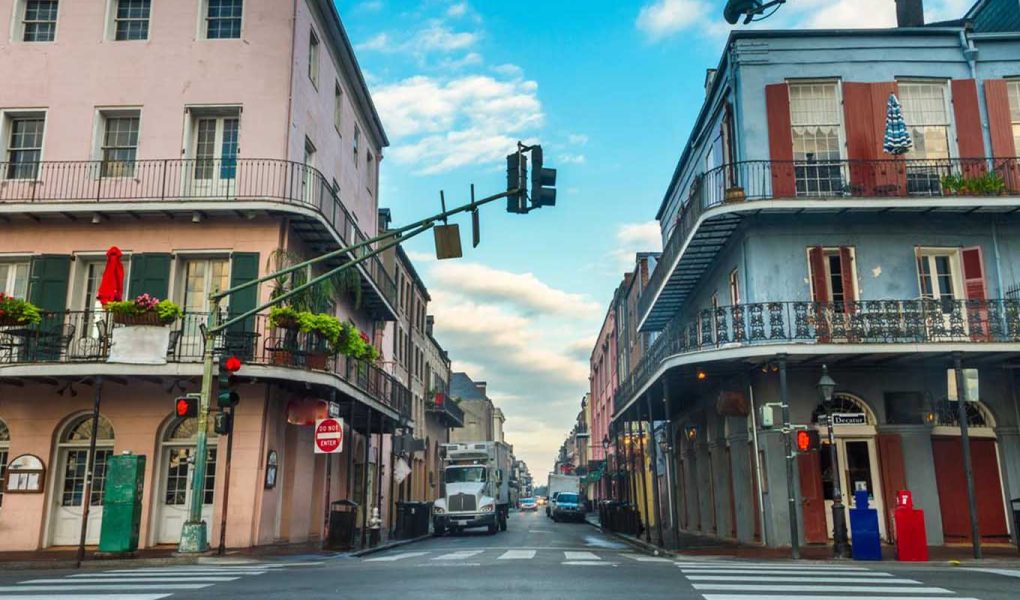
New Orleans, known as the “cultural capital of the United States”, is famous for its rich history, unique music, charming neighborhoods and delicious food. It is a fusion of diverse cultures such as French, African Americans and Spanish, creating a unique urban atmosphere.
Whether it is your first time visiting or you are already deeply fascinated by the charm of this city, adequate travel preparation is essential. Careful planning before the trip, including visa application, flight booking, accommodation selection and itinerary arrangement, will ensure that you can easily travel in this vibrant city.
From the famous French Quarter to the historic museums, New Orleans has endless tourist treasures waiting for you to explore.
1. Visa and entry requirements
US visa types and applications
First of all, tourists traveling to New Orleans need to understand the US visa requirements. Most international tourists, especially those from China, need to apply for a US tourist visa (B-2 visa). For travelers who already have a valid US visa, you may not need to reapply for a visa.
Steps to apply for a B-2 tourist visa:
Fill out the DS-160 form: Go to the U.S. Consulate website and fill out the DS-160 visa application form. The form includes personal information, travel plans and other details.
Schedule an interview: Schedule an interview through the U.S. Visa Application Center (CAS) and pay the visa application fee.
Prepare interview materials: Prepare your passport, visa application confirmation page, interview appointment confirmation page, visa fee payment receipt, DS-160 form confirmation page and other supporting materials (such as itinerary, bank deposit certificate, etc.).
Attend the interview: Go to the U.S. Consulate for the interview at the appointment time, answer the visa officer’s questions and provide the required materials.
Visa application time:
Visa application time may take weeks or even months, so it is recommended that you start applying for a visa 3-4 months in advance to ensure that you have enough time to prepare. Especially during the peak tourist season, visa appointments are often very full, and preparing in advance can reduce unnecessary trouble.
Travel insurance
Travel insurance is not only a necessary means to protect against accidents, but also an important guarantee for dealing with emergencies such as medical treatment and luggage loss. Before planning your trip, make sure you purchase the right travel insurance, including medical insurance and trip cancellation insurance, to deal with possible unexpected situations.
2. Air tickets and transportation arrangements
Air ticket booking
New Orleans has an international airport (Louis Armstrong New Orleans International Airport, MSY), which is the main air transportation hub in the region. Usually, flights to New Orleans take off from major domestic cities such as Los Angeles, New York, Chicago, etc. For international travelers, it is usually necessary to transfer from major international airports (such as New York, Miami, etc.).
Air ticket booking suggestions:
Choose the right airline: You can find prices for different airlines and flights through major travel search engines (such as Google Flights, Skyscanner). Common airlines include American Airlines, Delta Airlines, United Airlines, etc.
Choose flight dates flexibly: Booking flights in advance usually gets you better prices. If your travel time is more flexible, you can try to compare air ticket prices on different dates and choose the most affordable flight.
Pay attention to additional fees: Different airlines have different additional fees, such as baggage fees, seat selection fees, etc. When choosing a flight, take these fees into consideration to make a more cost-effective decision.
Local transportation in New Orleans
After arriving in New Orleans, convenient transportation is a highlight of the city. There are a variety of transportation options such as buses, streetcars and taxis for tourists to choose from in the city.
Recommended transportation methods:
Streetcar: New Orleans’ streetcar lines are all over the city, especially in the French Quarter and other major attractions, which are both convenient and full of local characteristics.

Taxis and shared travel: Taxis and shared travel services (such as Uber and Lyft) are also very common, especially when you need to get from the airport or hotel to attractions far away from the city center.
Bicycle rental: If the weather is pleasant, you can choose to rent a bicycle and ride freely in the city.
Car rental and driving
If you plan to explore more attractions around New Orleans, renting a car is a good choice. You can book a car through car rental companies such as Hertz and Enterprise, but you need to pay attention to parking restrictions in the city.
3. Accommodation recommendation
Hotel selection
New Orleans offers a variety of options from luxury hotels to budget accommodation, and tourists can make choices based on their personal budget and needs. Downtown areas (such as the French Quarter) are usually the first choice for tourists to stay because they are close to most attractions.
Popular accommodation areas:
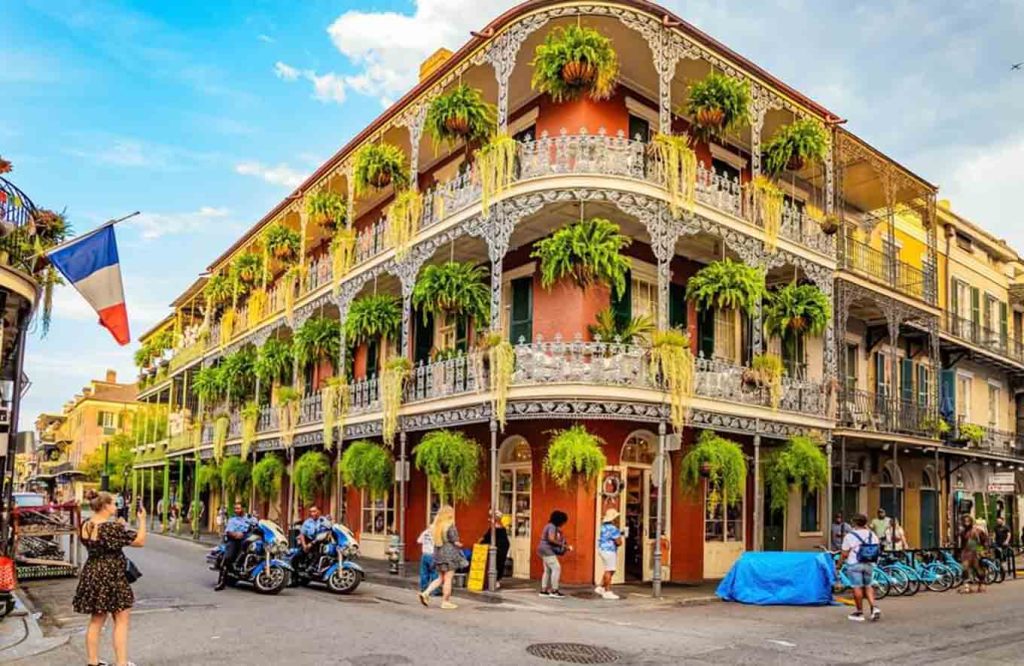
French Quarter: This is the most historic area in New Orleans, full of French style and charming streets, surrounded by many restaurants, bars and shops. Recommended hotels include Bourbon Orleans Hotel, Hotel Monteleone, etc.
CBD (Central Business District): If you want a quieter environment, you can choose the CBD area. The hotel prices here are relatively moderate and the transportation is convenient.
Garden District: If you like a quieter and more historical accommodation environment, the old villas and small hotels in the Garden District are also good choices.
Accommodation booking platform:
Booking.com: Provides hotel options at a variety of prices and provides user reviews to help make decisions.
Airbnb: If you want to stay in a local resident’s home and experience a more authentic New Orleans life, Airbnb is a good choice.
Accommodation cost
The cost of accommodation in New Orleans varies according to the season and location. Hotel prices usually increase during peak periods (such as during Mardi Gras). Therefore, it is recommended to book accommodation in advance before traveling and choose reasonably priced accommodation options.
4. Itinerary Planning and Must-See Attractions
French Quarter
The French Quarter is the most famous historical district in New Orleans and one of the most popular places for tourists to visit. The streets here are full of historical buildings, restaurants and bars, and are the core of New Orleans culture.
Main attractions:
Jackson Square: This is one of the most famous historical squares in New Orleans, where you can enjoy ancient buildings and lively street performances.
St. Louis Cathedral: Built in the 18th century, this church is one of the oldest Catholic churches in the United States and an important landmark in New Orleans.
New Orleans Museum of Art
The New Orleans Museum displays a rich art collection, including European, African and Native American art. This is a good place to learn about the history and culture of New Orleans.
Opening hours: Tuesday to Sunday, 10:00 AM – 5:00 PM
City Park
The New Orleans Botanical Garden covers an area of 50 acres and has rich plants and beautiful landscapes. It is a great place to walk and relax, and it is also a good place for locals to relax.
Suggested time: 2-3 hours
5. Food and drink recommendations
New Orleans is known as the “food capital” of the United States, and its unique Creole and Cajun cuisine styles are mouth-watering.
Must-try food:
Seafood Platter: The seafood in New Orleans is very fresh, especially fried oysters, fried shrimp and other locally caught seafood.
Gumbo: This rich soup is an iconic delicacy in New Orleans, which usually contains seafood, sausage and vegetables.
Local bars and coffee:
Cafe du Monde: This historic cafe offers the famous Beignet latte, which is a must-have with a cup of local New Orleans coffee.
6. Travel Safety and Emergency Contact Information
Safety Precautions
New Orleans is a relatively safe city to visit, but like any big city, visitors should remain vigilant. At night, try to avoid going out alone, especially in sparsely populated areas. Keep personal belongings in public places and avoid exposing valuables.
Emergency Contact Information:
Emergency Phone: Dial 911 to contact the police, firefighters, or first responders.
Hospitals: There are several well-known hospitals in New Orleans, such as Touro Infirmary and Ochsner Medical Center, where tourists can go for medical treatment in an emergency.
New Orleans is a charming and vibrant city, with everything from its unique history and culture to its delicious food. The city is a blend of French, Spanish and African American cultures, creating a colorful urban landscape and unique festivals, especially the world-famous Mardi Gras.
To ensure a smooth visit, it is essential to plan your itinerary properly. Preparing visa and transportation arrangements in advance can avoid unnecessary troubles. Choosing the right accommodation and dining can also add a lot of color to your trip. From the classic French Quarter to the passionate jazz scene, New Orleans offers endless charm and surprises to tourists. Prepare in advance, and you will definitely enjoy an unforgettable travel experience and immerse yourself in this city full of stories and art.